TikTok Slideshow Templates
Six slideshow structures that work for marketing a product on TikTok, written out slide by slide. Each example below is a real post made for WalkHero, a step tracking app, on candid Pinterest photos.
Updated November 10, 2026
How to use these templates
A template here is a sequence, not a design. Keep the structure, swap in your niche and your product, and use photos that look like they came from a real person's camera roll. Post them in TikTok photo mode so people can swipe, at 1080 × 1920 pixels.
Mention your product once, late, and as part of the story. A slideshow that reads like an ad from slide 1 gets swiped away from slide 1.
1. The confession
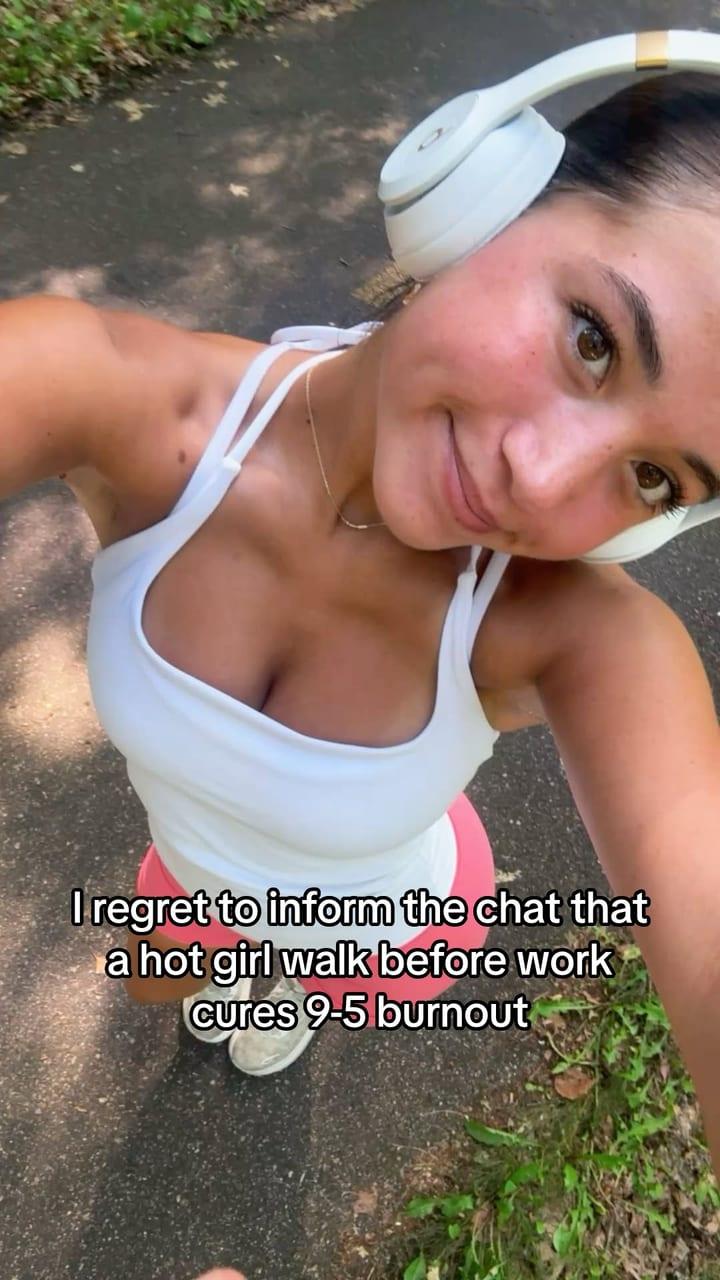
Example hook: “I regret to inform the chat that a hot girl walk before work cures 9-5 burnout”
- Hook: a selfie with the confession across the middle.
- The problem, in their words: what the day felt like before.
- What they changed, one small thing per slide.
- The moment it clicked.
- Where your product fits: "I track it with…" on a candid photo.
It sounds like a friend admitting something, not a brand making a claim, and the dramatic opener makes people want the story.
2. The stats reveal
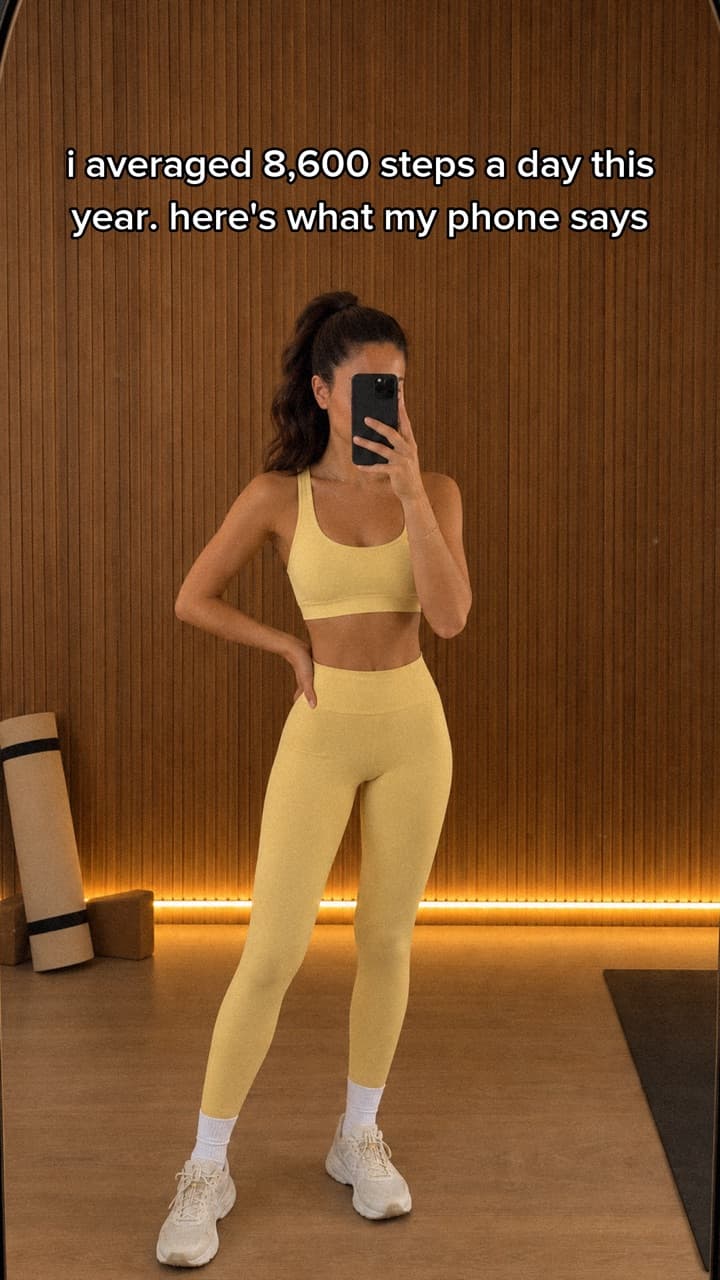
Example hook: “I averaged 8,600 steps a day this year. Here's what my phone says”
- Hook: the number and a promise to show the receipts.
- Two or three slides of the data, one figure each.
- The surprising one: the stat they didn't expect.
- What they'd do differently.
- Your product as the place the numbers came from.
A specific number is hard to scroll past, and people swipe to see whether theirs compares.
3. The did you know
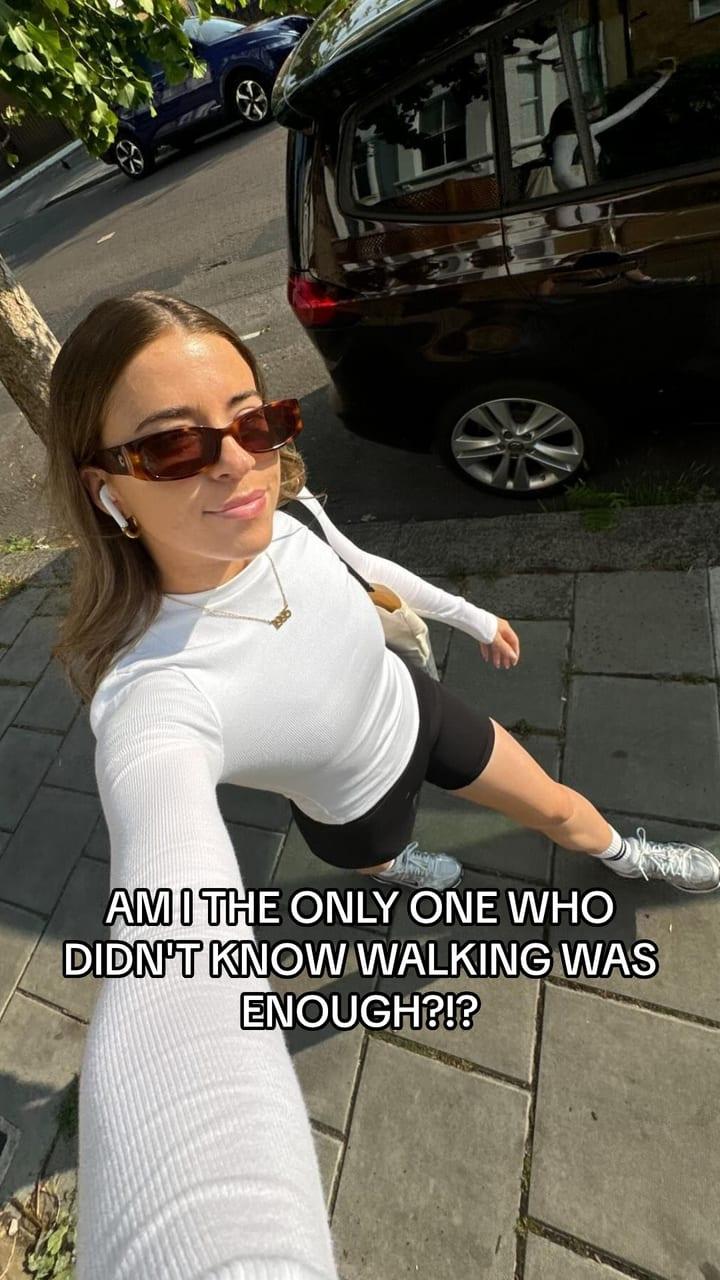
Example hook: “Am I the only one who didn't know walking was enough?”
- Hook: the question over a casual photo.
- The thing most people get wrong.
- Why it works, in one plain sentence.
- How to start, as a tiny first step.
- Your product as the easy way to keep it going.
It turns a tip into a shared discovery, and the question invites comments.
4. The personality type
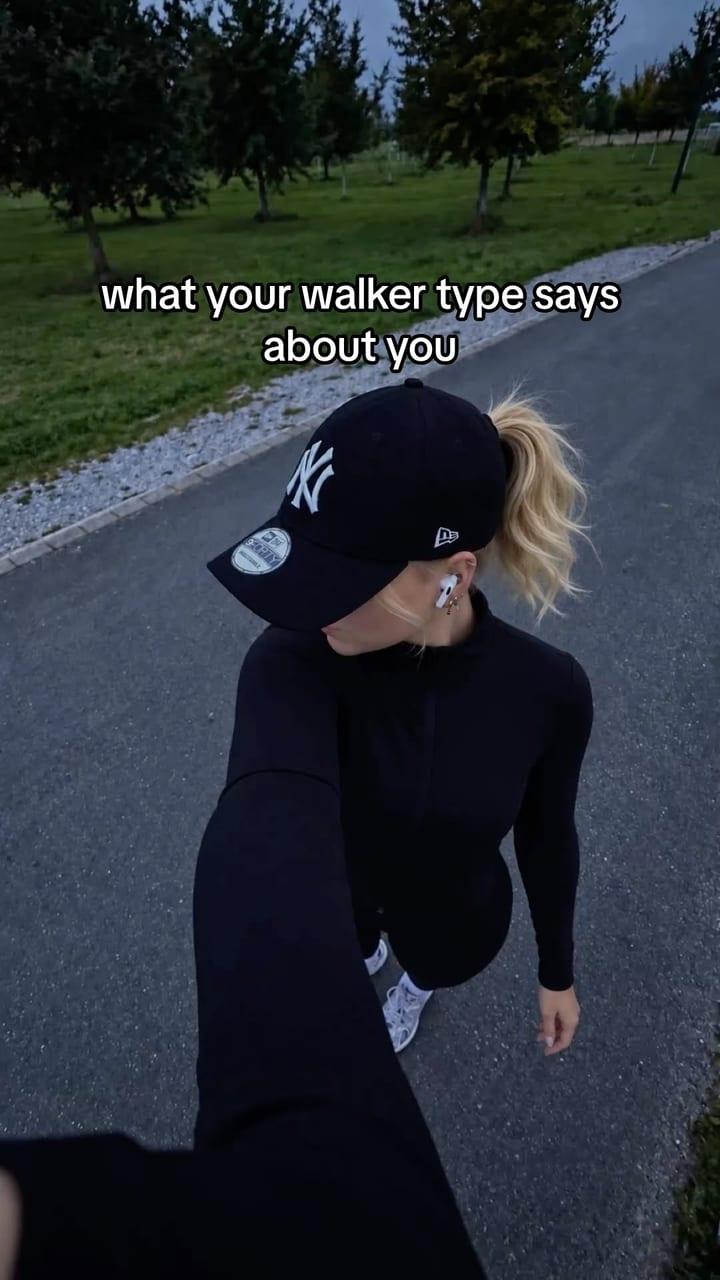
Example hook: “What your walker type says about you”
- Hook: "What your [habit] type says about you".
- One type per slide, four to six of them, each with a short, slightly teasing line.
- Last slide: "Which one are you?" with your product named for the type that fits it best.
People swipe to find themselves, then tag the friend who matches another slide.
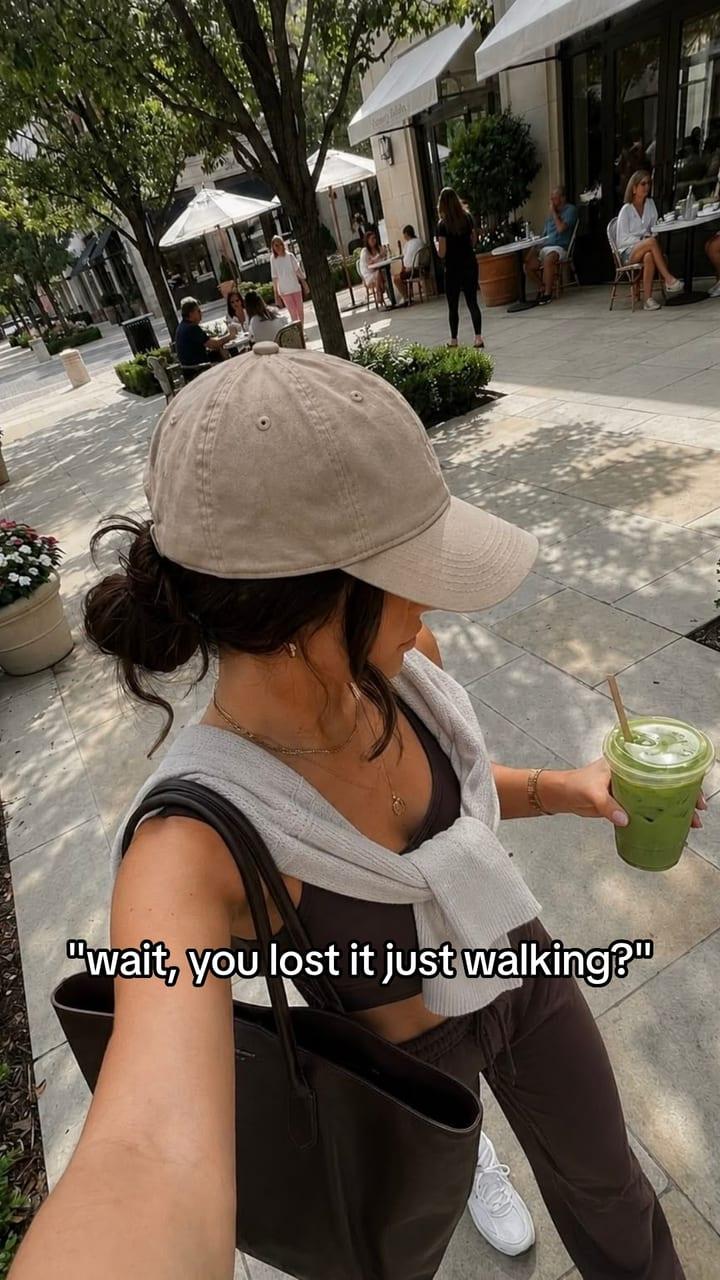
5. The reaction quote
Example hook: “Wait, you lost it just walking?”
- Hook: the quote, as if a friend just said it.
- The answer: "Yes, here's exactly what I did."
- The routine, one step per slide.
- The honest part: what was hard.
- Your product as the thing that made it stick.
Opening on someone else's surprise skips the setup and drops the viewer into the middle of a story.
6. The routine
Example hook: “My 6:30am routine before the train”
- Hook: the time and the result ("10k steps before summer").
- One slide per step, each with a time or a duration.
- A candid photo per step: shoes on pavement, a coffee, the walk itself.
- The step where your product appears, shown in use rather than as an ad.
Routines are easy to copy, so people save them to try later.
Finding which template is working right now
Formats rise and fade. The confession hook that worked last month might be everywhere this month. Before you write a batch, look at recent posts in your niche, note which hooks and formats are getting views, and start there.
That research is what Slide Stories automates. Your AI agent searches recent TikTok posts on your topic, reads their hooks and formats, and writes slideshows for your product in the formats that are working, on real photos.